Sheesham furniture is often chosen for its natural grain and distinctive wooden appearance, but successful furniture selection requires more than choosing an attractive finish. Buyers considering Sheesham Furniture in Wakad can avoid several common mistakes by evaluating dimensions, construction, functionality, and maintenance before making a decision.
These mistakes are particularly important with major furniture pieces that may remain in daily use for years.
Buying Based Only on Photographs
Product images are useful for understanding style, but they do not fully communicate scale, texture, stability, or construction.
A table that looks compact in a staged photograph may be too large for the intended dining space. Similarly, colours can appear different depending on lighting and display settings.
Always verify actual dimensions and material details.
Expecting Every Wood Grain to Look Identical
Natural timber has variations in grain and tone.
Trying to find completely identical patterns across multiple pieces can lead to unrealistic expectations. Instead, evaluate whether the pieces share a compatible overall finish and design language.
Natural variation is one of the visual characteristics people often seek when selecting Sheesham Furniture in Wakad.
Ignoring Room Measurements
This is one of the easiest mistakes to prevent.
Measure not only the available wall or floor space but also the clearance required to use the furniture comfortably.
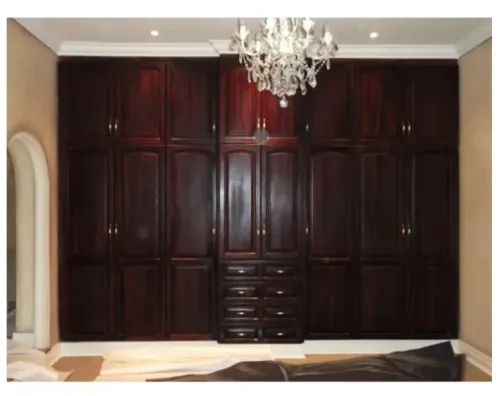
A wardrobe needs room for its doors. Dining chairs need space to move backwards. Drawers require unobstructed opening clearance.
Furniture should fit the room in use, not merely fit within its boundaries.
Prioritising Decoration Over Construction
Detailed carving, distinctive handles, or a rich finish can attract attention, but structural quality is more important for everyday performance.
Check frame stability, joints, hardware, drawer operation, and alignment.
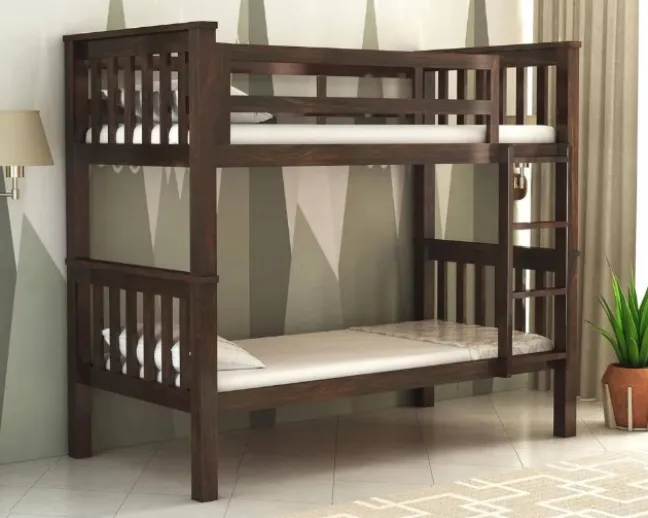
This is especially relevant for beds, chairs, dining tables, and other pieces that experience frequent loads.
Choosing Storage Without Planning Contents
More storage is not automatically better storage.
A cabinet filled with shelves may be inconvenient if the household needs large compartments. A wardrobe with extensive hanging space may waste capacity for someone who primarily uses folded clothing.
List what you intend to store before selecting the internal configuration.
Forgetting About Maintenance
Wooden furniture needs appropriate care.
Repeated moisture exposure, unsuitable cleaning products, and failure to clean spills promptly can affect surfaces. Ask about the finish and suitable maintenance practices.
Dining and coffee tables may benefit from coasters and mats during everyday use.
Following Short-Lived Trends Too Closely
Trends can provide inspiration, but major furniture should generally work beyond a single design season.
Before buying a strongly styled piece, consider whether it can still complement the room if wall colours, upholstery, or decorative accessories change.
Timeless proportions can provide greater flexibility.
Failing to Consider Delivery Access
A furniture piece may fit perfectly inside a room but still be difficult to move through the building.
Check entrance doors, internal passages, staircases, and other access points before finalising oversized furniture.
For large beds or tables, understand whether the product is delivered assembled or can be assembled at the final location.
Not Asking Enough Questions
Furniture buyers should feel comfortable asking about materials, construction, dimensions, finishes, care, and configuration.
Rightwood Furniture works with wooden furniture and can be considered when buyers want to understand how material and construction relate to a particular furniture requirement.
Choosing Sheesham Furniture in Wakad becomes much easier when decisions are based on practical information rather than appearance alone. Accurate measurements, realistic expectations about natural wood, careful construction checks, and a clear understanding of everyday usage can prevent many common buying mistakes.
Keywords