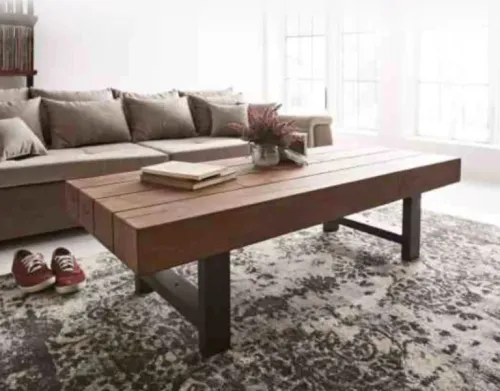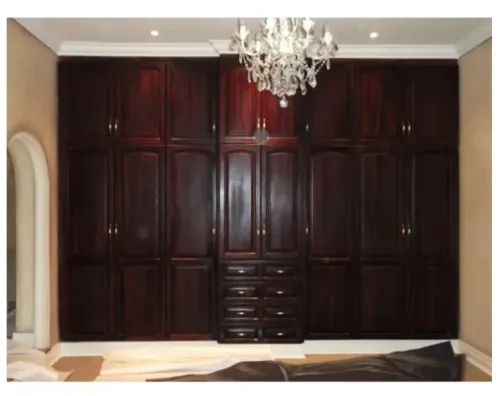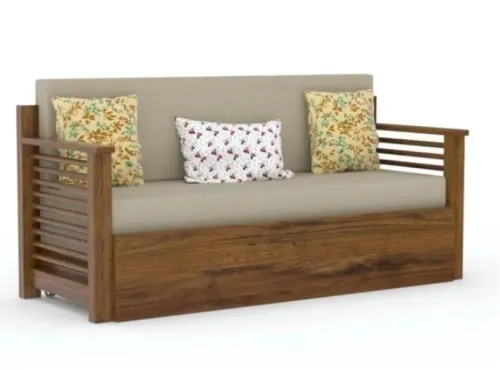
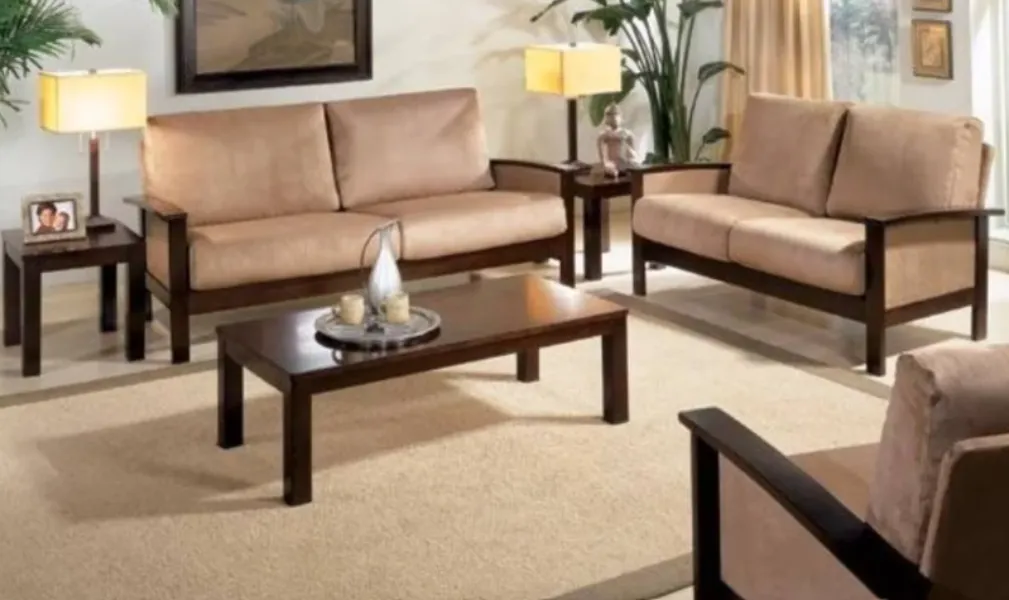
Furniture comparisons become difficult when products are judged only by appearance or price. Two pieces can look similar while differing considerably in timber, dimensions, joinery, hardware, finishing, and construction. Buyers evaluating Solid Wood Furniture in Ravet need a comparison method that considers the complete product.
Using consistent criteria makes it easier to understand what you are actually paying for.
Compare the Actual Material
Start with material specifications.
Find out which wood is used for the primary structure and whether any other materials are incorporated into the product.
This is particularly useful when comparing cabinets, wardrobes, beds, and other products containing internal or concealed components.
Clear material information allows more meaningful comparisons.
Evaluate Construction
Next, examine how the piece has been built.
A dining table should remain stable under normal pressure. Chairs should not wobble. Bed frames should have suitable structural support. Cabinet shutters and drawers should operate consistently.
With Solid Wood Furniture in Ravet, the timber is only one part of the equation. Construction determines how effectively that material performs as furniture.
Compare Dimensions Carefully
Small differences in dimensions can significantly affect usability.
When comparing two dining tables, for example, consider seating capacity as well as width and length. For beds, examine overall external dimensions rather than mattress size alone.
For storage units, compare internal usable space.
Measure the intended room before beginning the comparison so that unsuitable options can be eliminated early.
Look at Hardware and Moving Parts
Hardware plays an important role in furniture that includes doors, drawers, hinges, handles, or other moving elements.
Operate these components rather than simply looking at them.
Smooth movement, alignment, and practical access contribute substantially to everyday satisfaction.
Understand the Finish
Finish influences appearance and maintenance.
Ask what type of visual effect the finish is intended to create and how it should be maintained. Examine the furniture under ordinary lighting and look at large surfaces as well as edges and corners.
Remember that natural wood grain can vary between pieces.
Compare Functionality
Instead of asking which furniture looks better, ask which one works better for the intended purpose.
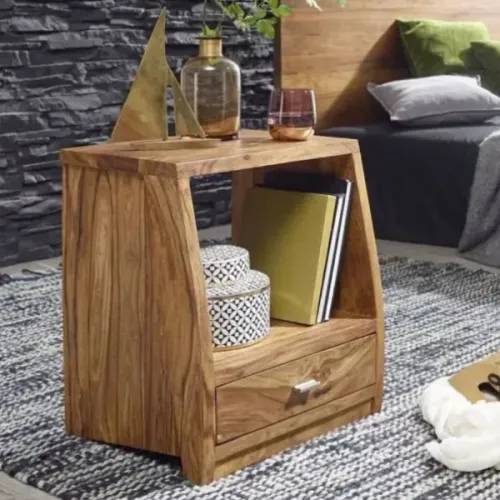
For a wardrobe, compare internal organisation. For a dining table, evaluate seating comfort and clearance. For a bedside table, consider height in relation to the bed.
Functional comparisons often reveal differences that are not obvious in product photographs.
Consider Design Adaptability
Major furniture may remain in a room through several décor changes.
A balanced wooden design can often coordinate with different fabrics, wall colours, rugs, and accessories over time.
This adaptability can be an important component of long-term value.
Evaluate Overall Value Rather Than Price Alone
The lowest price and the highest price do not automatically identify the best purchase.
A useful comparison includes:
- Material
- Construction
- Dimensions
- Hardware
- Finish
- Storage
- Comfort
- Design
- Maintenance requirements
- Suitability for the room
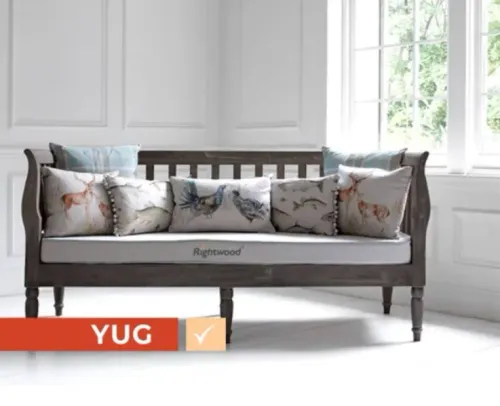
Rightwood Furniture manufactures wooden and solid wood furniture and can be evaluated using these same practical criteria rather than brand claims alone.
When comparing Solid Wood Furniture in Ravet, create a simple shortlist and score each option against the features that matter to your household. A structured comparison reduces impulse decisions and helps identify furniture that provides the right combination of craftsmanship, functionality, appearance, and long-term usability.
Keywords