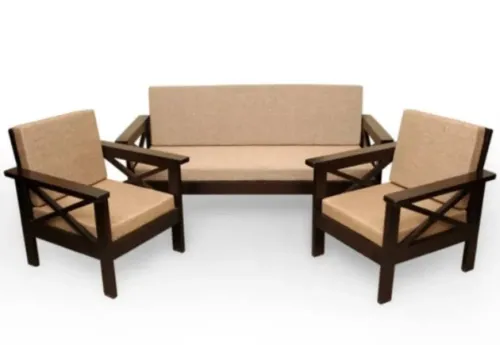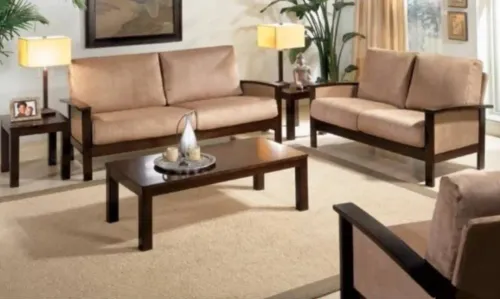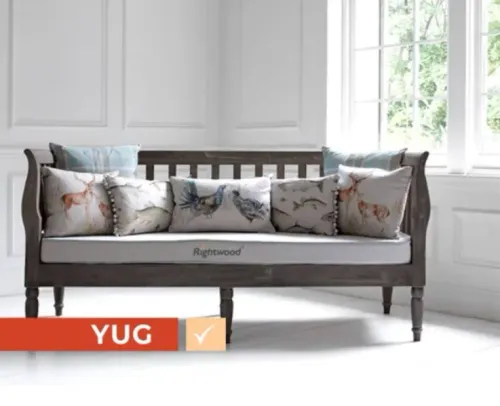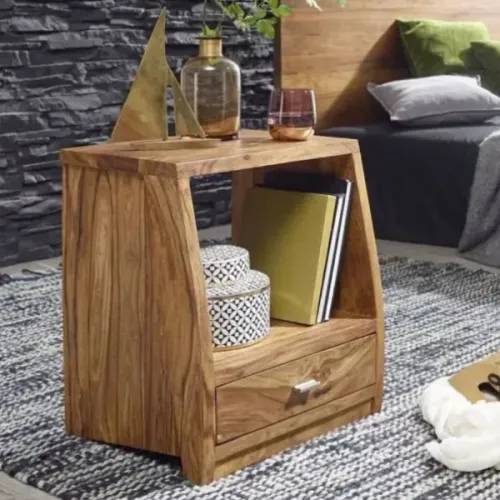
Choosing between natural wooden furniture and engineered alternatives is a common decision when furnishing a home. Both categories can have appropriate applications, but they differ in construction, appearance, maintenance, weight, design possibilities, and expected usage. Homeowners researching Wooden Furniture in Wakad should compare these factors rather than deciding only on initial appearance.
Understanding the differences makes it easier to allocate the furniture budget according to room priorities.
Understanding the Basic Difference
Solid wooden furniture is primarily constructed from natural timber, while engineered wood products are manufactured by combining wood fibres, particles, veneers, or layers using specific production processes.
The distinction matters because material behaviour and construction methods differ.
Neither category should be evaluated solely by colour or surface pattern.
Where Natural Wood Stands Out
Natural timber provides grain variation and texture that can give each piece an individual character.
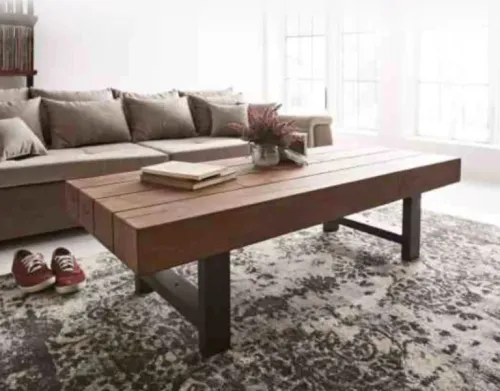
It is frequently chosen for prominent furniture such as:
- Beds
- Dining tables
- Coffee tables
- Chairs
- Sideboards
- Consoles
- Bookshelves
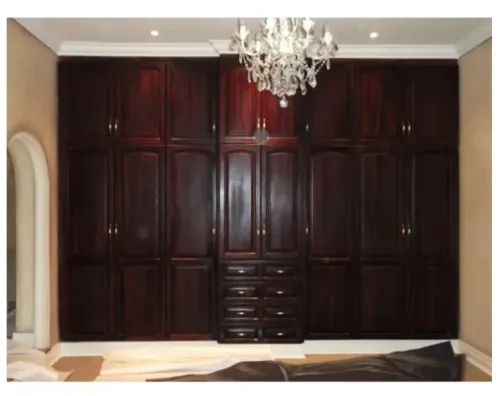
- Statement storage pieces
For people considering Wooden Furniture in Wakad, this natural visual variation can be particularly attractive when furniture is intended to become a central element of the room.
Engineered Materials Can Serve Different Requirements
Engineered products are widely used across modern interiors and can be practical for certain applications.
Their uniform surfaces may suit highly consistent contemporary designs. Depending on the material and construction, they may also support particular modular furniture requirements.
The important point is to understand exactly what material is being offered instead of treating all wood-based products as identical.
Compare Structural Requirements
Furniture experiences different loads.
A bed frame must repeatedly support substantial weight. Dining chairs experience movement and concentrated forces. A decorative shelf may have comparatively lighter requirements.
Material and construction should therefore be evaluated together.
A strong material cannot compensate for poor joinery, just as careful construction needs a material appropriate for the application.
Maintenance Requirements Differ
Natural wood needs sensible everyday care. Spills should be addressed promptly, and excessive moisture exposure should generally be avoided. Suitable cleaning methods help protect the finish.
Engineered materials also have specific maintenance limitations depending on their surface and core construction.
Before buying, ask how the product should be cleaned and what environmental conditions should be avoided.
Consider Repairability and Long-Term Use
When evaluating furniture for extended ownership, buyers should think beyond the initial purchase.
Ask whether surfaces can be maintained, whether hardware can be replaced, and whether the construction allows practical servicing when required.
For frequently used furniture, these considerations can influence long-term value.
Which Option Should You Choose?
There is no requirement to use one furniture material throughout an entire home.
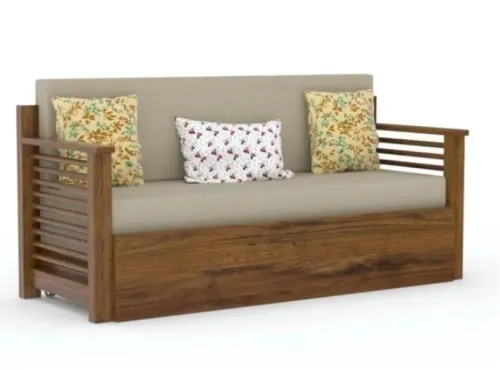
Homeowners may choose natural Wooden Furniture in Wakad for major pieces where grain, structural character, and visual presence matter, while selecting other materials for applications where different priorities apply.
A useful decision process is:
- Define the furniture's purpose.
- Determine expected frequency of use.
- Measure the available space.
- Compare actual materials.
- Inspect construction.
- Understand maintenance.
- Consider long-term suitability.
Rightwood Furniture focuses on wooden and solid wood furniture, allowing customers to explore pieces where natural timber is central to the design.
The better choice ultimately depends on application rather than labels. By comparing construction, material behaviour, appearance, maintenance, and expected lifespan, buyers can select furniture that fits both their interior preferences and everyday requirements.
Keywords